
The Era
Welcome to the quantware era
Intelligent systems do not behave like software. They create, deliver, and scale value dynamically—demanding a commercial, organizational, and operational architecture built by the first principles of a new value system.
Quantware
AI is a dynamic value system
Every technological era introduces its own value system that defines how value is created, delivered, and captured. AI is not software. Intelligent systems generate value dynamically, yet every instrument of the modern firm was engineered for an era where humans carried the value-creating act through static products, contracts, org charts, and performance metrics. Quantware is a new system of value creation, and the book Quantware: The Post-Software & Post-Product Era in Business & Technology builds the commercial, organizational, and operational architectures required to govern it.
From the to the
The static firm was built for an era in which humans mediated value: they designed the products, ran the processes, and made the decisions. That structure worked because the technology it organized was predictable. When the technology changes character, three architectural failure points emerge.
The shift, in three architectures
01 / 03
Commercial
Static firm
Prices the utility rather than the consequence.
Dynamic firm
Outcome economics, outcome tiers, and the outcome-based contract as the basis of the commercial relationship.
Commercial architecture needs new instruments: , outcome tiers, and the outcome-based contract as the basis of the commercial relationship. Organizational architecture needs new structures: a distributed value-delivery unit chartered, instrumented, and enabled around outcomes. Operational architecture needs new standards to govern intent and outcome quality, as well as the metrics that make AI's overall performance visible.
Commercial architecture
Stop paying for the promise of AI; start paying for the performance of it
Software was priced by access, because a person turned the capability into a result. When the system produces the result itself, the unit of value becomes the : an outcome proven against a standard both sides agree before the work begins. dynamic architecture packages resolutions in tiers whose terms evolve with the system's performance. The book introduces the framework that makes dynamic outcomes contractable.
Organizational architecture
Product is dead
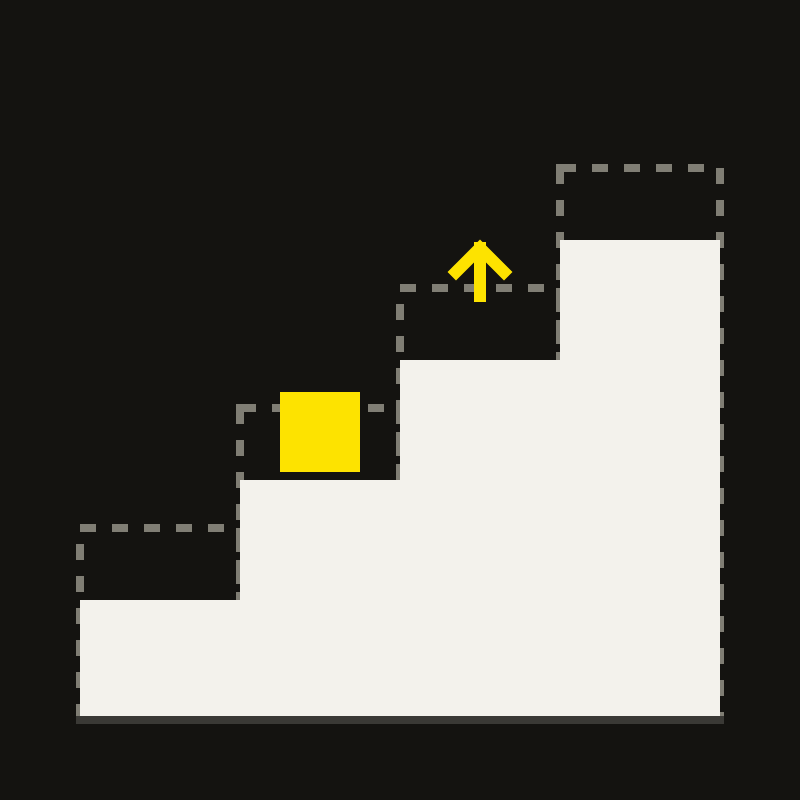
Product organization was the right architectural response for the software era. For three decades it turned engineering capability into buyer value by governing a two-sided interface with agility. Intelligent systems change this governance interface. When a system executes outcomes dynamically, four interfaces open at once and each has to be governed: the intent the system serves, the performance it delivers, the value it creates, and the proof of what it did. A management model built to ship features and track adoption cannot govern dynamic execution, however good its people are.

Operational architecture
Make intelligent systems legible
A firm cannot govern what it cannot read. The operational architecture of a dynamic system therefore needs a different kind of record. Quantware era also requires new performance standards that govern what the system is meant to achieve and what counts as a good result. Three new metrics measure whether the system performs to its standard, whether the value it creates covers the cost of the intelligence that created it, and whether the firm governs as many systems as it runs. , return on intelligence systems, can be calculated for a portfolio of deployments, and each one can be funded, held, or scaled on evidence

Key concepts
The vocabulary of the era
01 / 17
Quantware expands the theory of the firm
Firms now have a new reason to exist
Alongside every reason established by the classical theory of the firm, the firm now exists to govern the systems it delegates authority to, and to answer for what they produce.
Join the work
The defaults are being set now
The future worth building is not a prediction.
It is a design specification.